
One of the unique aspects of PlanetDAO is the opportunity for co-owners to engage directly with the people and places connected to the properties they help preserve.
In April 2026, PlanetDAO co-owner Bol traveled to Nachikatsuura, Wakayama, to take part in a community work activity at Hokoji Temple alongside Nishiyama-san and local residents. Through the experience, he gained a firsthand glimpse into the challenges and realities of caring for historic places in rural Japan.
In the reflection below, Bol shares his personal observations and experiences from the visit.
Notes from Bol
The last meters of the approach to Hokoji Temple were a bit steep. What will await me on top? On the other side I could see former rice paddies, now mostly overgrown and no longer cultivated.
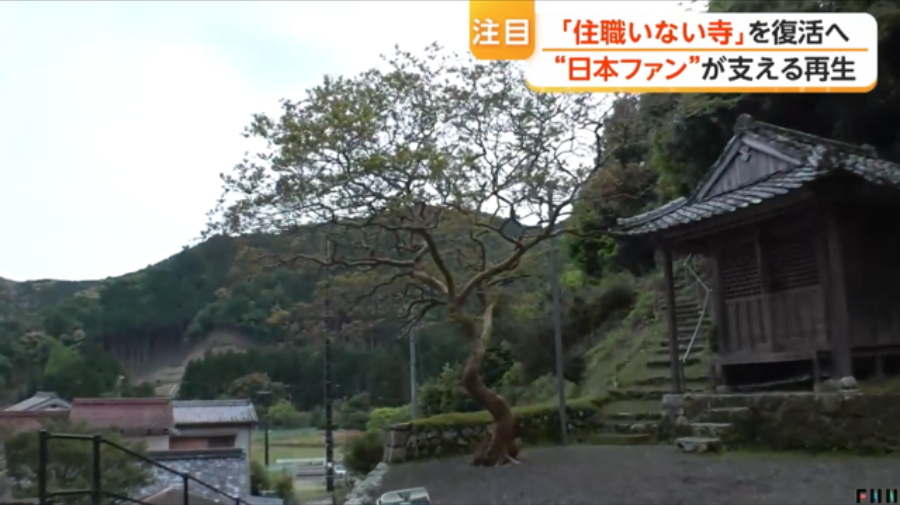
“It is cheaper to buy rice nowadays, than to buy equipment and grow it on your own”, an elder from the local community explains me shortly later.
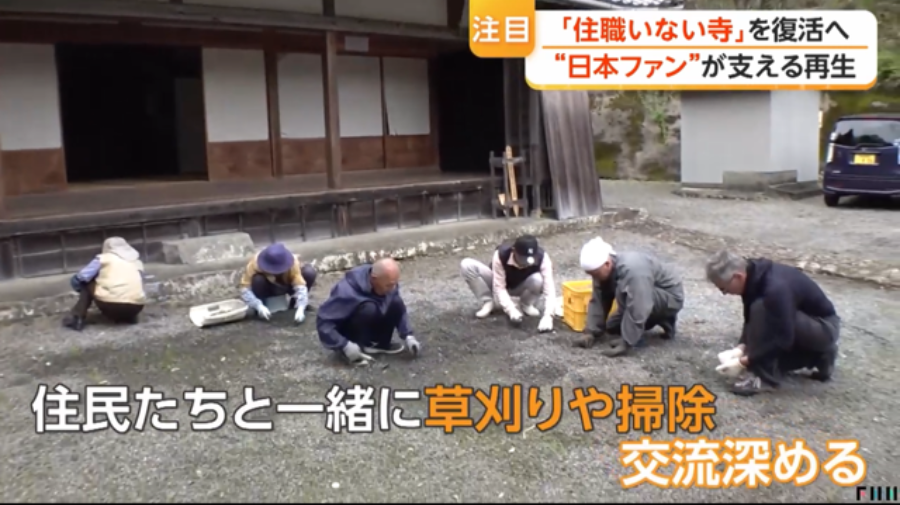
It is also not easy to maintain the temple and the adjacent graveyard. We gathered today to clean the gravel place from upcoming grass in front of the temple. I was greeted upon my arrival by the head priest Nishiyama-san and four elders well in their sixties and seventies.
Nishiyama-san opened the wooden temple doors to reveal the inner rooms. Hokoji is over 150 years old and you can see traces of time on the wood columns, the wooden tools for ceremonies and the loose paper on the sliding doors.
It is a good feeling knowing that the budget to renovate this place has been secured and this temple will be reinvigorated with travelers looking for a place to stay overnight.
The elders moved with laughter and astounding agility and we finished the cleaning, which is done every 3–4 months, followed by swiping the front porch of the temple in a couple of hours.
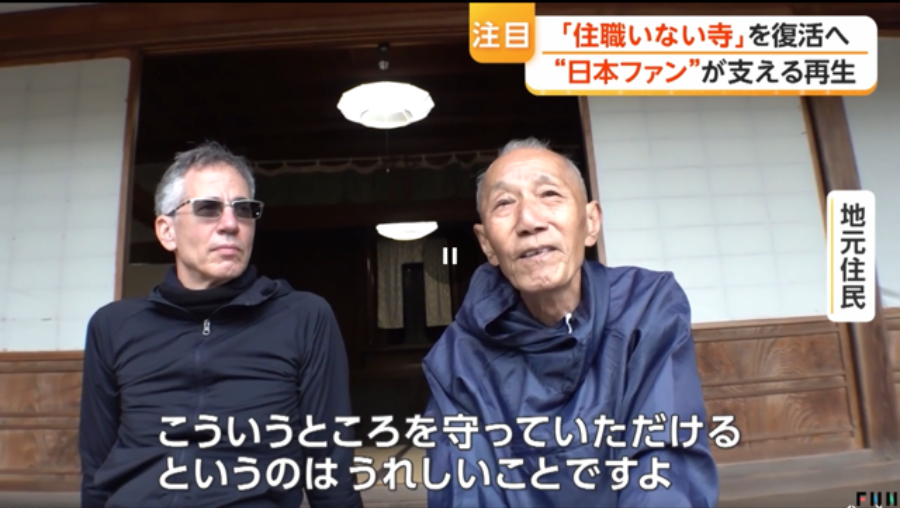
In the following break we talked about visiting foreigners in these rural areas and I felt a general attitude of openness, curiosity, and appreciation.
“It is a slightly different view on life”, mentioned Nishiyama-san.
In these rice and vegetable growing communities, people know that they are not in control. You can do everything right: the right rice seedlings, the right timing, the right amount of water and still, in the end, a sudden flood or drought or storm might ruin your yearly harvest within a matter of hours.
You need to be flexible and open to whatever the future holds.
Living and working in our modern cities, I am often inclined to feel in control of my life through technology, clocks, schedules, and meetings.
So, when I left Hokoji and Daitaiji before sunrise the next morning, I left with a lesson in modesty and resilience.
=======
We would like to thank Bol for sharing his experience.
Through activities like these, PlanetDAO co-owners have the opportunity to engage directly with local communities and gain a deeper understanding of the places they help preserve.